-
The structure and symbols of church interiors convey messages and ideas that are sometimes intentional and sometimes accidental. Since about A.D. 700 churches have existed on the site of St. Emmeram in Regensburg, Bavaria. The current building includes chapels and crypts dating as far back as the 8th century. It has gone through the usual
-
As similar as medieval churches may seem at first glance, there is wide variation when one takes a closer look. Each church has unique stories to tell. The diocese of Bamberg was founded in A.D. 1007 under the patronage of Heinrich II and his wife Kunigunde. The first cathedral was consecrated in 1012. After two
-
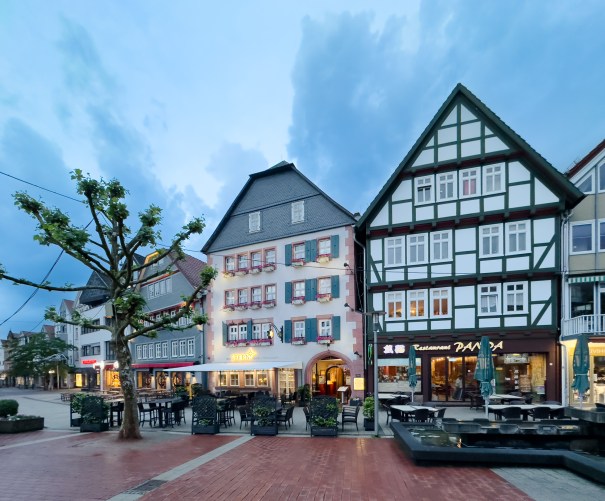
Bad Hersfeld is a small town near the geographic center of Germany. There is a lively old-town (except when raining) with many buildings dating to the middle ages. There are also baths fed by mineral springs. You can take a sip of the water in the springhouse where an analysis posted on the wall indicates
-
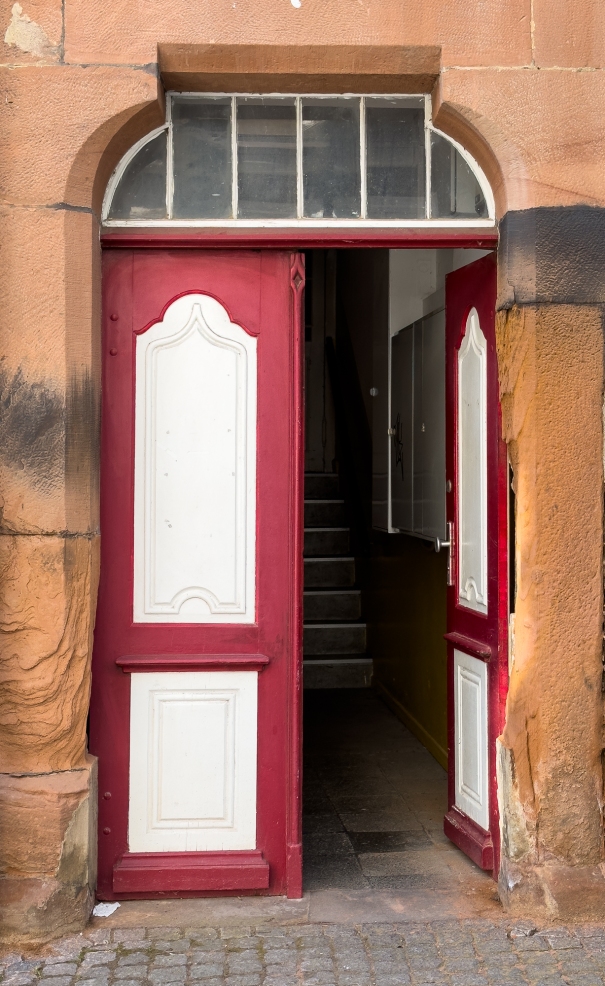
The Altstadt (old city) of Marburg stands on a steep hill overlooking the River Lahn. Houses, shops, public buildings and churches are packed one against the other. What stood out to me was the vast variety of doors, from merely utilitarian to ornate and artistic. Here is a sample.
-
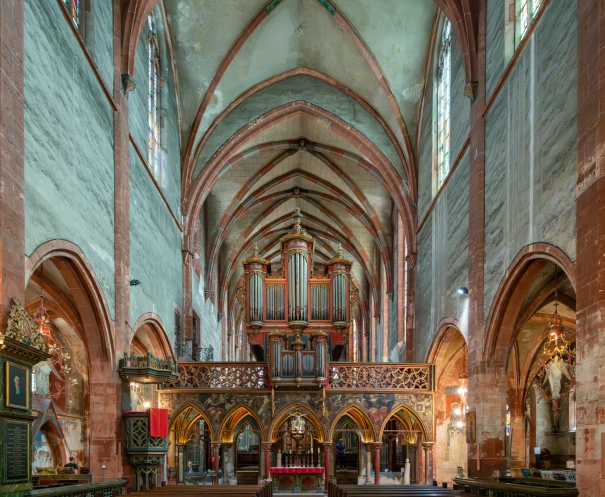
In a quiet corner one block from the north branch of the River Ill is the late 13th/early 14th century “New” Church of St. Peter. The church replaced an earlier romanesque structure and served as a collegiate church until the reformation. In the 17th century a wall was built on the choir side of the
-
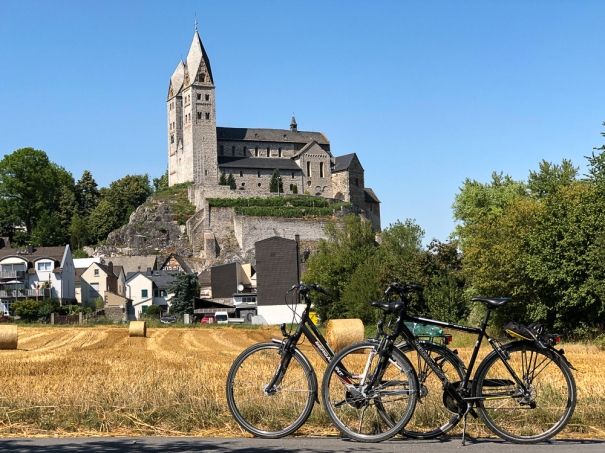
The church of St. Lubentius rises from a rocky bluff overlooking fields of wheat, the River Lahn and the village of Dietkirchen. The bluff has been inhabited since the Neolithic era. A church may have existed on the site since the 4th century. The first stone church was built about the year 730. A monastery
-

Limburg an der Lahn (not the cheese city) is a short train ride north of Frankfurt. The Cathedral stands on a cliff above the medieval city center. Founded on a romanesque plan in 1180-1190, during the construction process it gradually incorporated Gothic elements as that style spread into Germany over the next few decades. The
-
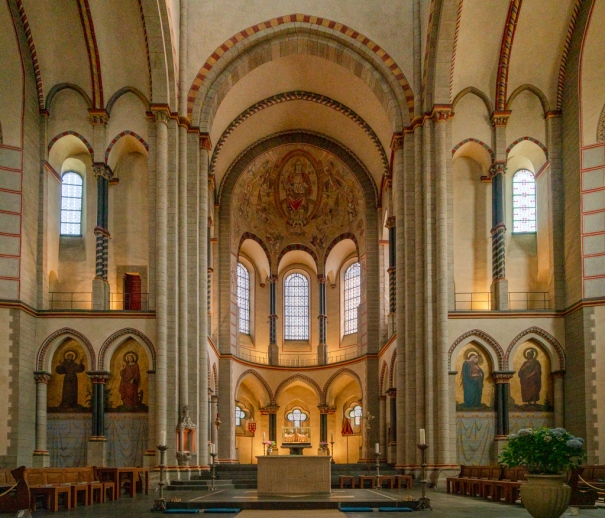
Across the Rhine from bustling Düsseldorf is the relatively quiet town of Neuss. A military camp was established near here in 16 B.C. by the Romans. The site of this church was originally a cemetery with a small chapel. Successive church buildings appeared on the site as the camp grew into a town. In time
-
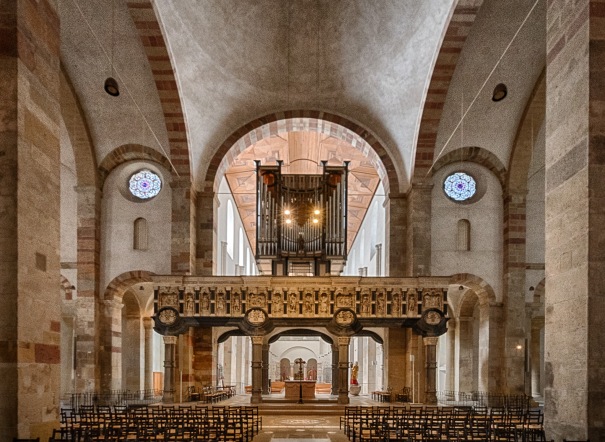
This 11th century church replaced a 7th century structure that in turn had replaced a roman temple. The courtyard (Lichhof) at the east end shown below covers an ancient burial ground. The statue on the right is a memorial to those who died in World War II. Like several other churches in Cologne, this church
-

The cathedral at Aachen incorporates more than 1200 years of history into one building. The heart of the church is the octagonal Palatine chapel. It was built during the reign of Karl Der Große (Charlemagne ca A.D. 800) as a two story church. Many renovations, demolitions and expansions have produced the current structure. Thirty kings
-
Subscribe
Subscribed
Already have a WordPress.com account? Log in now.
 Craig's Places